Interview with NIAR ATLAS
Customer Interviews
In this customer interview series, we talk with our Clients about how they experience working with TANIQ.

Interview with Jerome Teoh, Research Engineer at NIAR ATLAS, Wichita State University
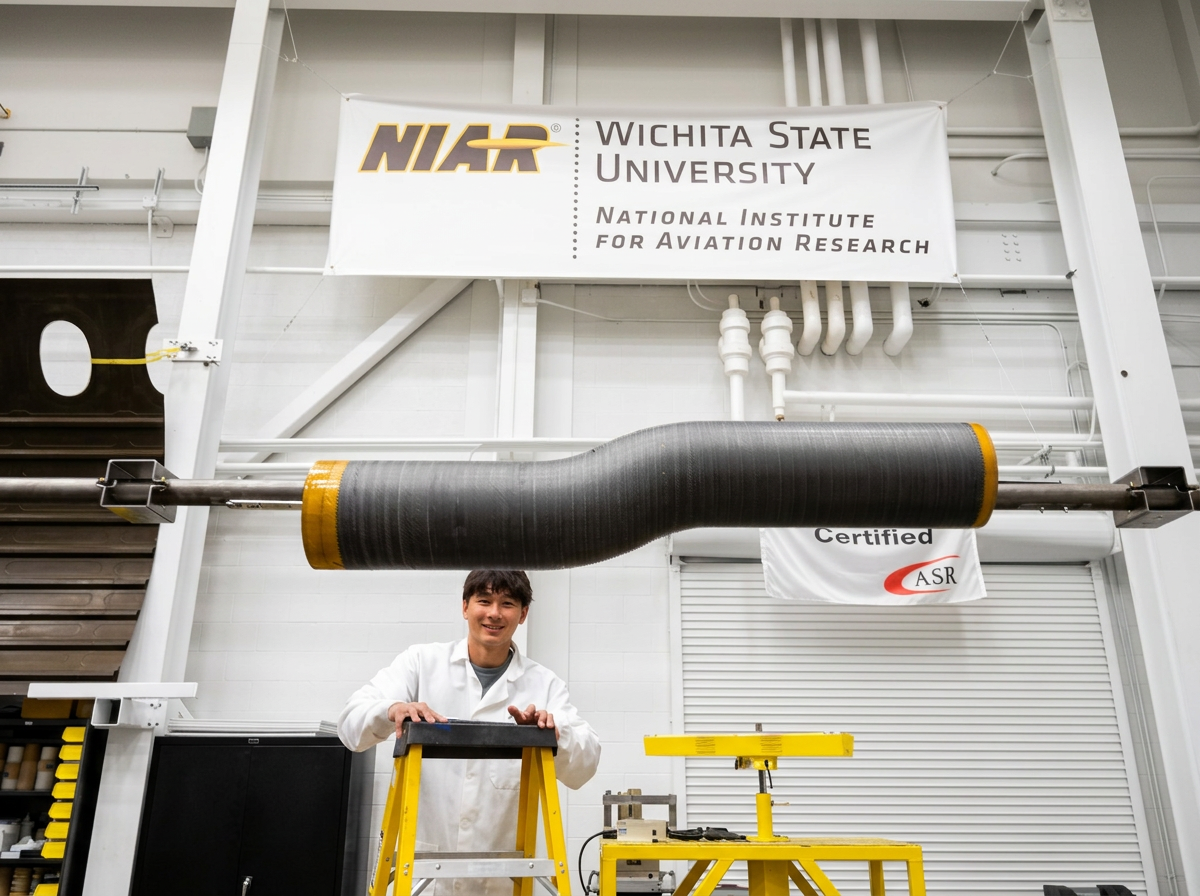
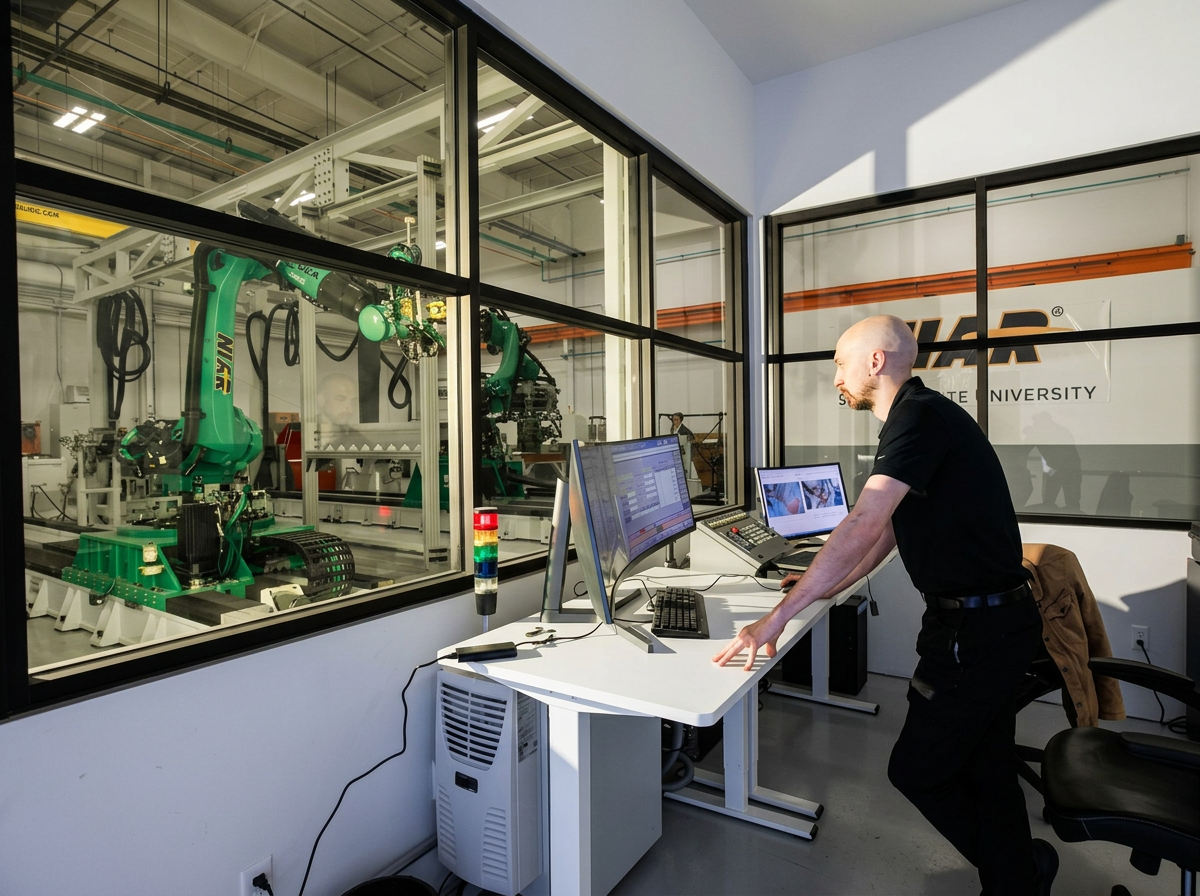
ATLAS (Advanced Technologies Lab for Aerospace Systems), part of the National Institute for Aviation Research at Wichita State University, is a production-scale lab that turns cutting-edge R&D into manufacturable aerospace and defense solutions. Its work combines digital engineering, advanced composites processing, automation and robotics, and inspection and qualification. ATLAS came to TANIQ while evaluating CAM tools, as they were building a filament winding capability from the ground up.
"A key achievement is the tight CAM-to-CAE integration: we generate winding patterns with AFP layup, derive coverage and thickness outputs, feed them into FEA, and iterate efficiently to support design and manufacturing decisions.”
How did you learn about TANIQ?
I learned about TANIQ while evaluating CAM tools and doing a thorough online search. I first came across it via search and LinkedIn discussions. What stood out immediately was the clean, intuitive user interface and practical, machine-aware workflow. It looked like a platform that could scale with our needs, so I decided to test it.
What made TaniqWind Pro the software you decided to move forward with?
What I was really looking for were the essentials: a thickness and coverage map, a gap/overlap check, and a clean handoff into FEA. From my first hands-on, TaniqWind Pro felt like the top-tier tools I use in other physics — easy to start with, solid under the hood, and definitely able to compete in the big-league category.
Almost everything you offer impressed me. I've also got to hand it to the communication aspect — that's what sealed the deal in choosing TaniqWind Pro.
Which feature(s) or aspect(s) of TaniqWind Pro have had the most noticeable impact on your workflow?
As an analyst, the FEA handoff is so smooth. It cuts my headaches and significantly reduces potential mistakes.
How has your use of TaniqWind Pro developed over the past year?
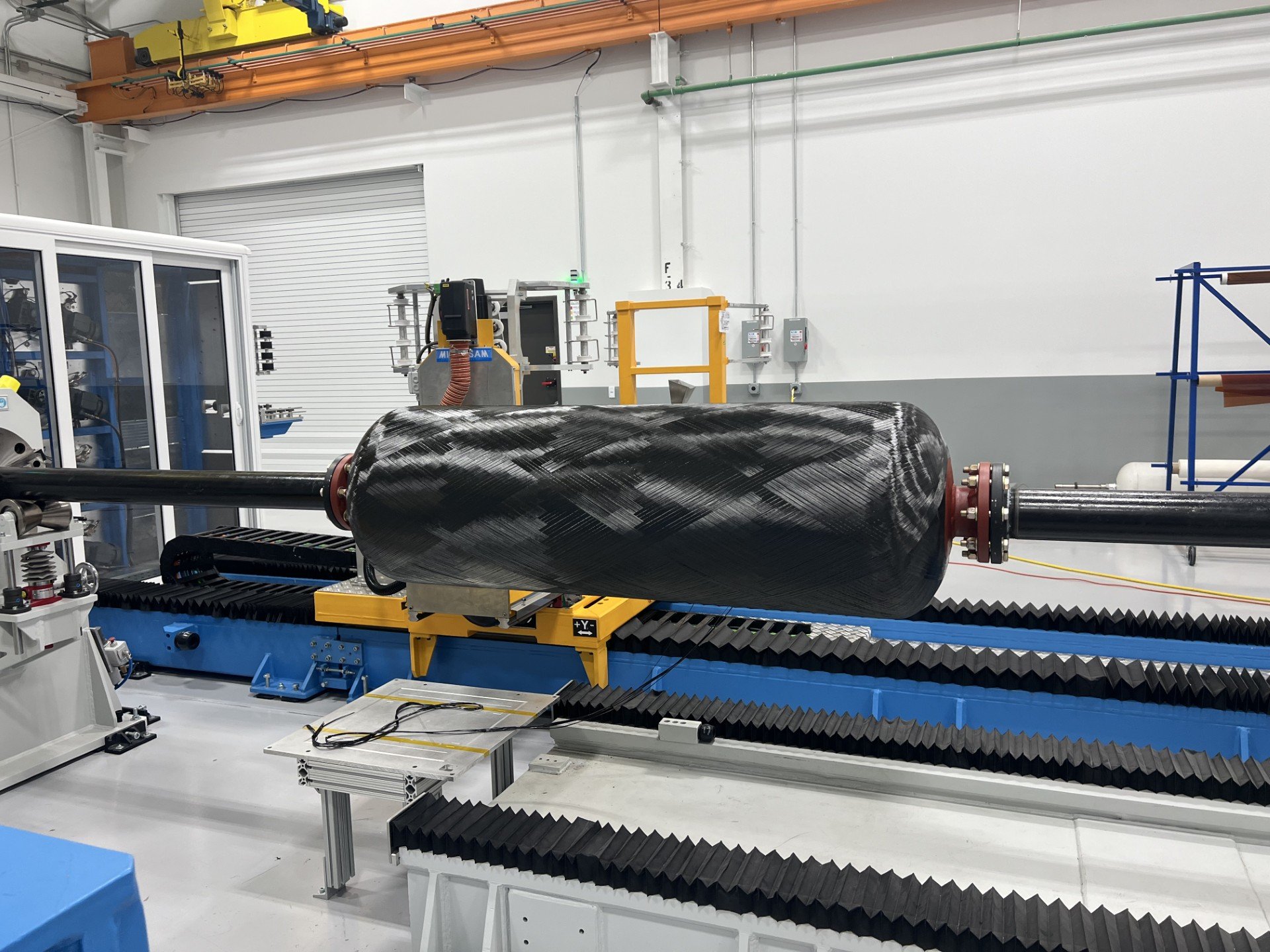
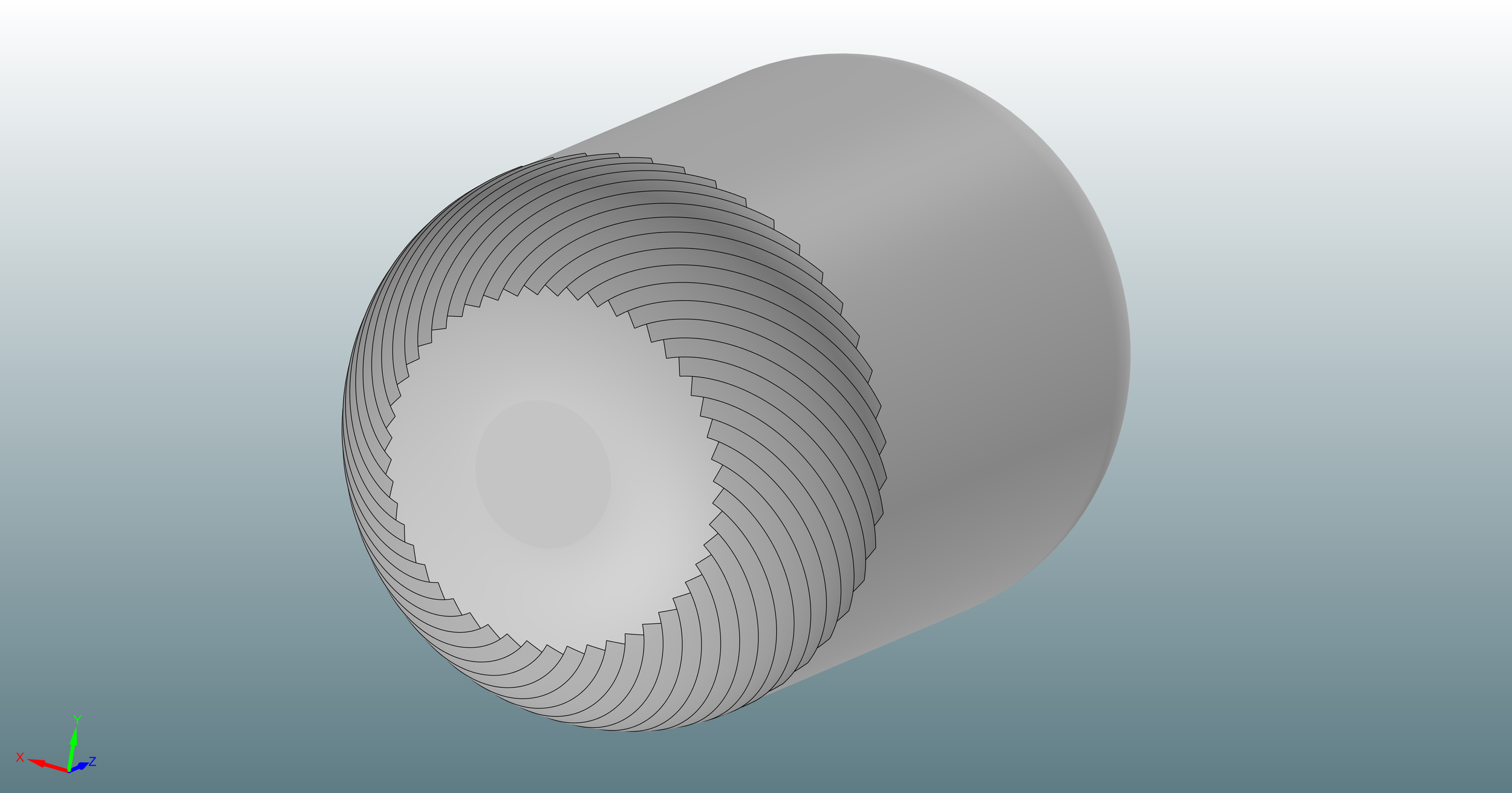
We progressed from initial evaluations to an established workflow for our pressure vessel layup research. A key achievement is the tight CAM-to-CAE integration: we generate winding patterns with AFP layup, derive coverage and thickness outputs, feed them into FEA, and iterate efficiently to support design and manufacturing decisions.
How has TANIQ's support worked in practice when you've needed it?
Excellent. TANIQ's support has been responsive, practical, and collaborative — and it's a primary reason I chose, and continue to use and recommend, TaniqWind Pro.
Are there new developments you're planning to explore using TaniqWind Pro?
Yes. We plan to pursue hybrid filament winding and doily reinforcement optimization, conduct parameter studies, and build tighter CAM-CAE integration for rapid simulation experiments.
TANIQ is marking 20 years this year. How do you see your partnership with TANIQ evolving in the future?
I see endless possibilities ahead. I'd like us to keep regular touchpoints, continue technical exchanges, and pursue niche ideas to push the limits of filament winding manufacturing applications.
What would you say to companies considering TaniqWind Pro?
I was there too, kicking the tires and wondering if it fit. Go ahead — take the trial version and play with it.